
Digital Life 2024
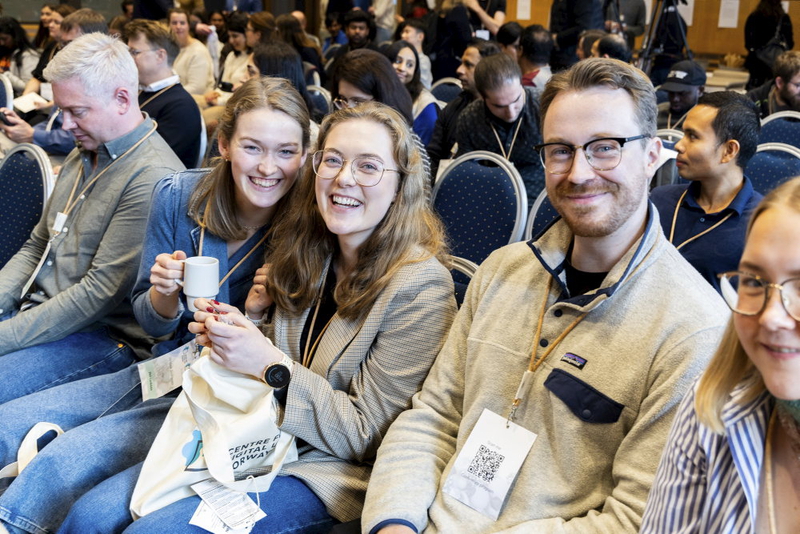
In this conference we explored the potential and challenges of AI in biotechnology and life sciences, with a focus on industrial biotechnology and oceans. Read a full summary here, with links to videos of Nico's and Margaret's keynotes and panels, as well as pictures. (Photos by Yngve Vogt/UiO)
Conference programme
14th-15th October 2024 – Digital Life 2024
Day 1: Monday 14th October
- 11:00 – 11:45 Bus from airport to venue
-
12:00 – 12:45 Lunch
-
13:00 – 16:45 DLN Conference 2024 - plenary event
Rector of University of Oslo Svein Stølen will open the conference.
13:15 – 14:00 Keynote talk by Nico Cruz Bournazou. Towards the self-driving biolab: The role of AI and robots in bioprocess engineering
14:00 – 14:45 Panel discussion: How can we trust biotech data from AI’s black box? With Nico Cruz Bournazou, Ishita Barua, and Anastasija Nikiforova, moderated by Anamika Chatterjee (DLN)
14:45 – 15:15 Coffee break with light snacks
15:15 – 16:00 Keynote talk by Margaret Rae. Finding your purpose in this urgent age of climate change (The conscious journey from researcher to entrepreneur) - Applying blue deeptech for a healthy planet
16:00 – 16:45 Panel discussion: Blue AI: Aquaculture and biodiversity in the digital age. With Margaret Rae, Anne Ingeborg Myhr (NORCE) and Marius Eidsaa (SINTEF), moderated by Björgólfur Hávarðsson (AquaCloud)
- End of plenary event -
- 17:00 – 18:30 Poster session
- 18:30 – 19:00 Aperitif
- 19:00 – 21:00 Conference dinner
Day 2: Tuesday 15th October
- 08:45 Doors open
- 09:00 – 09:30 Keynote talk by Filippa Lentzos: AI and Responsible Life Science Research
-
09:45 – 11:00 DLN Workshops
Choose between:-
Could chatbots help devise the next pandemic virus? Responsible: Filippa Lentzos
-
Innovation: the Power of Storytelling in Entrepreneurship. Responsible: Silvija Seres
-
How will today's research change cancer care? Play to find out! Responsible: Viviam Bermúdez
-
Storytelling: is controversy good? How to pitch your research to a non-academic audience. Responsible: Kam Sripada
-
-
11:10 – 11:55 Panel discussion: Bridging the Gap: Expectations and Realities in Supervision. With Arsenii Zabirnyk, Simona Kavaliauskiene (supervisees) and Gaute Einevoll, Jasmine Nahrgang (supervisors). Moderated by Henrik Herrebrøden.
-
11:55 – 12:00 Final remarks
-
12:00 – 13:00 Lunch
- End of Digital Life 2024 conference -
DLN RESEARCH SCHOOL CONFERENCE (RS MEMBERS ONLY)
TUESDAY 15 October
13:00 - 14:30 Charlotte Rooney from A Half Managed Mind
-
Mental health considerations in navigating a career path within the high-pressure academic landscape.
-
Personal development and resilience in the face of rapid changes.
14:30 - 14:45 Coffee Break
14:45 - 16:15 Charlotte Rooney from A Half Managed Mind
- Strategies for career advancement.
16:15 - 16:30 Coffee Break
16:30 - 19:30 Social activities
19:30 - 21:30 Dinner
WEDNESDAY 16 October
07:00 - 09:00 Breakfast / check-out
09:00 - 10:30 Dr. Joeri Tijdink, M.D., Vrije Universiteit Amsterdam
-
Integrating Responsible Research and Innovation principles into your research.
-
Case studies illustrating successful implementation of RRI in Biotech/AI/Life Science projects
-
Exploring the ethical considerations and dilemmas in AI development and deployment.
10:30 - 10:45 Coffee break
10:45 - 11:30 Rahmi Lale, PhD - From the bench to the consumer: successful start-up stories
11:30 - 12:15 Mohammed R. S. Sunoqrot, PhD - A personal journey through innovation in academia
12:30 - 13:30 Lunch
13:30 - 14:30 Yngvar Ugland, EVP & Head of New Tech Lab, DNB
-
The impact of AI on consumers and end-users.
-
Balancing innovation with RRI in consumer-oriented product/service development
14:30 - 14:45 Closing remarks, announcement winner scientific image competition.
14:45 - 15:00 Group photo
15:15 - 16:00 Bus to Gardermoen Airport
About Digital Life 2024
Digital Life 2024 is our annual conference, which we hold together with our Research School annual conference. DLN will book rooms for Digital Life 2024 attendees, for the 14-15th October. Digital Life 2024 attendees will be placed in single rooms, and are themselves responsible for the accommodation costs.
The Research School Conference is all-inclusive for Research school members, and the Research School handles bookings and accommodation costs for members attending the Research School conference, 14-16th of October. Members of the Research School may be placed in shared rooms. If you have any preferred roommates, please indicate this when you register.
Dinner and lunch are included in the conference free of charge for all conference attendees.
DLN will organize bus transport to and from Oslo airport, Gardermoen at specific times.
Workshops
We ask you to sign up for a workshop by Thursday October 10. After this the sign-up forms will close. Some workshops have fewer spaces and will be filled on a first come first serve basis. Please remember to only sign up for one workshop!
Workshop option 1:
Could chatbots help devise the next pandemic virus?
This question has been a concern that top government officials and tech leaders have raised over the last year. An MIT study in spring 2023 found that students could use chatbots to gain the know-how to devise a bioweapon. In advance of a UK summit in autumn 2024 bringing global political and tech leaders together, British Prime Minister Rishi Sunak warned that AI could make it easier to build biological weapons. And in the United States, the Biden administration issued a landmark safety that included a plan to probe how emerging AI systems might aid in Executive Order on AI bioweapons plots. This workshop will take a hands-on approach to consider the biosecurity risks of Large Language Models and current initiatives by governments, industry and other stakeholders to mitigate against these biosecurity risks.
Responsible for the workshop: Filippa Lentzos
Workshop option 2:
The Power of Storytelling in Entrepreneurship
Join this hands-on workshop and receive expert guidance from experienced investor, researcher and founder Silvija Seres and Andy Boyce. You will learn how to develop narratives that inspire your audience and make your business ideas not only understandable but also irresistible.
Limited seating – register now!
Responsible for the workshop: Silvija Seres
Workshop option 3:
How will today's research change cancer care? Play to find out!
This workshop invites you to dive into the rapidly evolving world of Precision Medicine (PM) and AI tools in cancer care. PM promises treatments tailored to individual patients by leveraging genetics, lifestyle, and environmental factors, while AI accelerates this by analyzing vast amounts of data to predict outcomes and recommend therapies. But with these advancements come complex questions and dilemmas.
Through a fun and interactive card game (PlayDecide), you’ll engage in discussions on the real-world impact of these technologies. Can AI truly deliver on its promise? What challenges must we overcome to ensure these innovations are inclusive, ethical, and responsible? What are the trade-offs between progress and patient care, and how do we navigate them? Take a sneak-peak into the issues we will go through (Sample Issue Cards)
What’s in it for you? Whether you’re in the lab, the clinic, or even working with salmon or AI, this workshop offers a valuable opportunity to explore how these cutting-edge tools could influence the future of healthcare. You’ll gain insights into how research translates to real-world applications, but also learn how to facilitate similar participatory discussions to enrich your own work. It’s a chance to form an informed opinion on the role of PM and AI, and take that understanding beyond academia, helping shape wider conversations on the subject.
Will innovation push us forward, or will we fall behind? Your ideas could be the key to shaping a responsible path. Play, discuss, and help define what comes next.
Responsible for the workshop: Viviam Bermúdez
Workshop option 4:
Storytelling with Science: Is controversy good?
Storytelling and visuals have become a bigger part of being a scientist. Our work will make a bigger impact if it is shared outside of the research community, with policymakers, funders, stakeholders, and the public. How can we adjust our technical language to deliver a message that people find valuable, without feeling watered-down or inaccurate? Learn how to pitch your research story to a non-academic audience using straightforward language, catchy images, and mainstream media (including social media). You’re welcome to bring ideas from your own research to develop together in this workshop.
Responsible for the workshop: Kam Sripada
Registration is now closed, please write to contact@digitallifenorway.org if you have questions.
Speakers & moderators
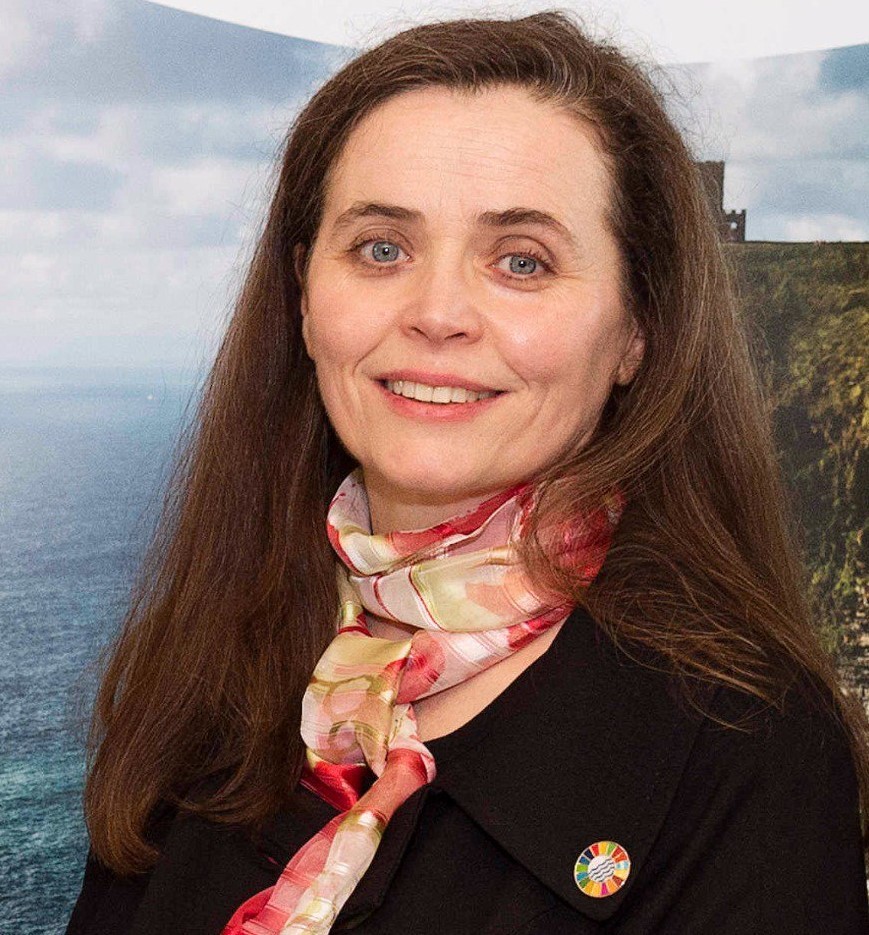
Margaret Rae
Margaret Rae is the founder and CEO of Konree Innovation – a Deep-Tech company developing a solution to reliably manage and control lice parasites in fish aquaculture. Konree Innovation won one of the inaugural WomenTechEU awards for Deep Tech innovation in 2021/2022. In 2023, Konree succeeded in securing Pre-Seed Start Fund from Enterprise Ireland as well as the supports offered by the EU’s SynergistEIC programme.
Previously, Margaret was the Chair and EU Co-Chair of the Marine Microbiome Working Group at the Atlantic Ocean Research Alliance between Canada, the European Union and the United States of America and the company is also a member of the Irish Ocean Literacy Network.
From 2015-2020, Margaret was a Director at the Marine Institute Ireland, the Irish State Agency for marine research, technology development and innovation. There she directed the Atlantic Ocean Research Alliance Coordination and Support Action (AORA-CSA), an EU Horizon 2020 Support Action that supported the Atlantic Ocean Research Alliance between Canada, the European Union and the United States of America. Research theme areas supported by the AORA-CSA included Marine Microbiome, Ocean Observation, Ecosystem Approach to Ocean Health & Stressors, Aquaculture, Ocean Literacy and Seabed Mapping as well as a Shared Access to Marine Research Infrastructures.
Margaret researched her doctorate degree in physical chemistry at the Instituto Superior Técnico In Lisbon, Portugal, her master’s degree in environmental studies at the University of Wales, Aberystwyth and her Bachelor of Science degree from University College Dublin, Ireland. For the last 15 years, Margaret has worked in the marine sector.
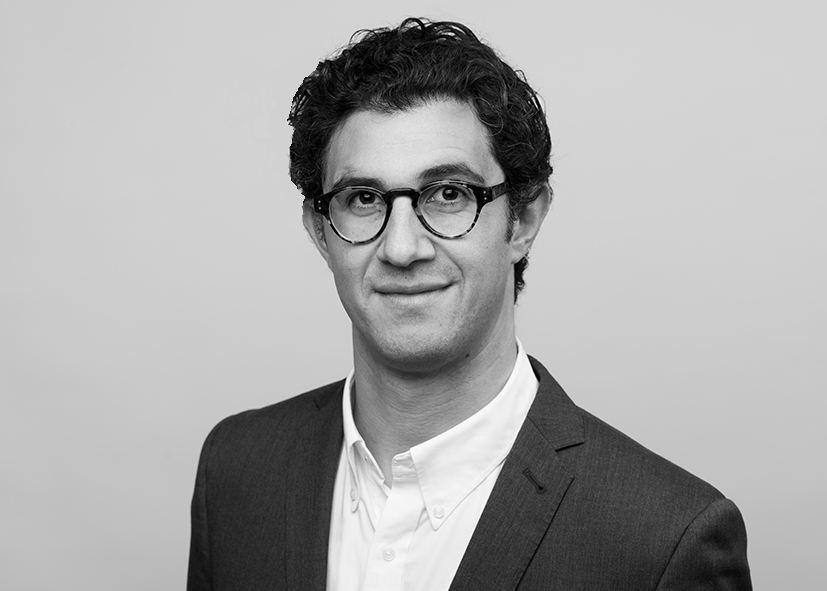
M. Nicolas Cruz Bournazo
Dr. M. Nicolas Cruz B. leads the KIWI-biolab, a pioneering research facility specializing in machine learning applications for the automation of High Throughput Bioprocess Development. His work is focused on advancing bioprocess digitalization, developing model-based tools for biotechnology and biopharmaceuticals, implementing lab automation strategies, and enabling self-driving biolabs. Over recent years, his research has been instrumental in integrating model-based methodologies with High Throughput experiments to accelerate bioprocess development.
The main achievements of the KIWI-biolab include the development of adaptive algorithms for real-time optimal redesign of parallel experiments, hybrid tools combining Machine Learning with dynamical modeling for bioprocess engineering, and the creation of a digital platform facilitating collaborative operation of robotic experimental facilities. Dr. Cruz's research is motivated by the belief that robotic systems in bioprocess development and biomanufacturing require sophisticated digital tools, models, and algorithms to fully harness their capabilities. Read more on the their website
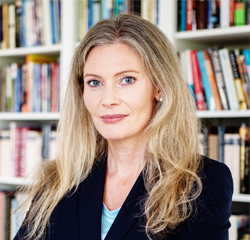
Filippa Lentzos
Dr Filippa Lentzos is Reader (Associate Professor) in Science & International Security at King’s College London, where she is jointly appointed in the Department of War Studies and the Department of Global Health & Social Medicine. She is also an Associate Senior Researcher at the Stockholm International Peace Research Institute (SIPRI), and a Non-Resident Scholar at the James Martin Center for Nonproliferation Studies (CNS). She chairs the WHO Technical Advisory Group on the responsible use of the life sciences and dual-use research (WHO RULS DUR), and she is a member of the WHO Health Security Interface – Technical Advisory Group (WHO HSI-TAG). She is a rostered expert for the UN Secretary-General’s Mechanism for Investigation of Alleged Use of Chemical or Biological Weapons (UNSGM), and she serves as the NGO Coordinator for the Biological Weapons Convention. She is also a member of the UK Biosecurity Leadership Council. For more about her work, see: www.filippalentzos.com or follow her on twitter: @FilippaLentzos
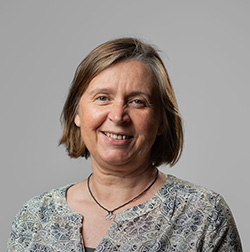
Anne Ingeborg Myhr
Anne Ingeborg Myhr is SVP in the Biotechnology and Circular Economy department of NORCE. The department consists of three research groups: Industrial Biotechnology; Marine Biotechnology; and Gene Technology, Environment and Society. Myhr holds a Dr. scient in medical biology and a M.Sc in biotechnology. Myhr has extensive experience from inter- and transdisciplinary projects on emerging technologies including genome editing. Her main research focus is on future food systems, sustainable aquaculture, protection of the environment and biodiversity, and the circular economy. This includes studies on ELSA and RRI with novel technologies. Myhr is a member of the Norwegian Biotechnology Advisory Board as well as the Norwegian Board of Technology.
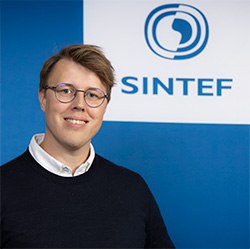
Marius Eidsaa
Dr. Marius Eidsaa is a Research Scientist at SINTEF Industry, Biotechnology and Nanomedicine. His research interests lie in the convergence between AI/ML, computational methods and applied biotechnology, including work on image analysis, bioprocess modeling, multi-omics analysis and bioinformatics related to functional metagenomics. Marius has a background in theoretical physics, holds a Ph.D. in Systems Biology and has worked several years as a Senior/Principal Data Scientist in a personalized cancer medicine startup company before joining SINTEF.
Marius is currently co-leading the AMBIOS project, a collaborative initiative that leverages the consortium’s unique access to marine research vessels and autonomous technology. The project combines transdisciplinary expertise in biotechnology, marine biology, automation, ICT, ocean dynamics modeling and biodiversity governance. The aim is to improve our understanding of biodiversity variations and extend the SINMOD ocean model for real-time biodiversity prediction, and apply the framework for surveying areas of biological, ecological, and economical interest around the Trondheim fjord. The project also involves extracting and sequencing environmental DNA for the purpose of bioprospecting, searching for novel compounds of potential value in biotechnological or medical applications.
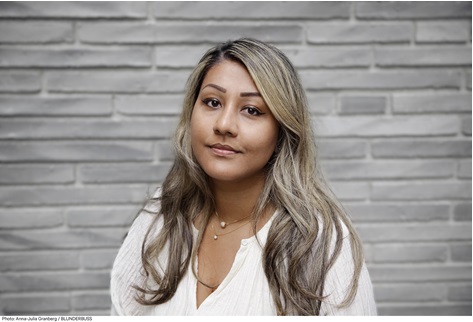
Ishita Barua
Dr. Ishita Barua is a medical doctor with a PhD in artificial intelligence (AI) in medicine from the University of Oslo. She is Co-founder and Chief Medical Officer at Livv Health, a medtech startup. Ishita Barua is an award-winning AI researcher and was a Fulbright scholar at Harvard Medical School and Beth Israel Deaconess Medical Center, and she has previously served as the Lead AI in Healthcare at Deloitte.
Recognized as one of Norway's 50 most influential women in technology, Ishita Barua has also made her mark as an author, publishing her book "Artificial Intelligence Saves Lives" last year in Norway. She is a regular columnist for E24, Norway's leading newspaper for economy and business news, writing about technology, AI, and innovation. Ishita Barua also serves as deputy member of The Norwegian Biotechnology Advisory Board appointed by the Norwegian government and as a board member of Helse Bergen and The Norwegian Council of Digital Ethics.
Ishita Barua is deeply passionate about utilizing AI to enhance health outcomes, advance health equity, and address health disparities, with the goal of ensuring accessible and personalized healthcare for all.
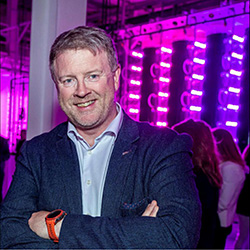
Björgólfur Hávarðsson
Björgólfur is a business developer in AquaCloud. He holds a MSc in aquaculture biology. He has over 30 years of experience in all aspects of aquaculture in multiple geographies, most recently as Innovation Manager at Seafood Innovation Cluster. He has an unbeatable network of industry actors globally and is dedicated to using his resources to push things forward, stimulating innovation, job creation and sustainability.
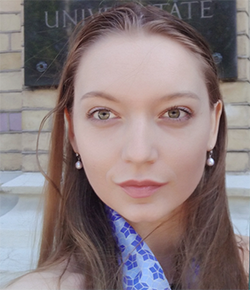
Anastasija Nikiforova
Anastasija Nikiforova (PhD in Computer Science - Data Processing Systems and Data Networking) is an assistant professor of Information Systems at University of Tartu (Faculty of Science and Technology, Institute of Computer Science, Chair of Software Engineering), part of European Open Science Cloud Task Force “FAIR Metrics and Digital Objects Task Force” (Belgium), and part of Scientific & Technical Advisory Board of Switch Connectome Project (Switzerland). She is committed to advancing the field through innovative and impactful research that contributes to the evolution of Information Systems with societal implications. Her research interests include data management, with a focus on data integration and automation of data quality management, and digital transformation leadership, driving the digital transformation of public and open data ecosystems, emphasizing technological advances but also delving deep into the social dynamics of these complex sociotechnical systems to improve the resilience and sustainability of digital ecosystems. The above includes improving user-system interaction (incl. HCI) through the integration of emerging technologies. As such, her research also focuses on understanding the adoption of these technologies. In 2023, she was listed in the Stanford University's database of top 2% scientists in Artificial Intelligence sub-field, based on Scopus data on 2022.
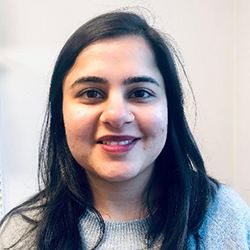
Anamika Chatterjee
With a background in biotechnology and bioethics, Anamika specialises in engaging stakeholders across interdisciplinary research settings to promote Responsible Research and Innovation (RRI). Currently, she serves as the Senior Advisor for RRI at the Centre for Digital Life, Norway (DLN), where she helps foster collaboration across disciplines to address societal needs. DLN stands out for its commitment to RRI, promoting stakeholder engagement to develop inclusive, sustainable technologies aligned with societal values. Previously, she has worked at the European research data infrastructure – ELIXIR in engaging with health data producers, users, data protection officers, GDPR experts, and patients to assess the benefits and risks of a federated health data infrastructure across Europe. Alongside her work, she is also working on her PhD where she explores the social and ethical issues that emerge when research communities collaborate to standardise their research data management practices.
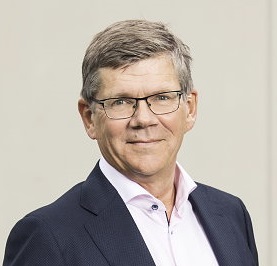
Svein Stølen
Svein Stølen is Rector of the University of Oslo for the period 2017-2025. He is a professor of chemistry, with research interest in inorganic materials, especially relationships between structure and properties. Before his position as rector, Prof. Stølen was vice dean for research at the Faculty of Mathematics and Natural Sciences (2013-2016) and head of the Department of Chemistry (2009-2012). He headed the Center for Materials Science and Nanotechnology, and was the first chairman of the board, both for UiO: Life Science and for Digital Life Norway. He has been a member of the board of the Department of Energy Technology (2012-2017) and the Research Council's division board for science (2015-2017). He is member of the Royal Norwegian Academy of Science and Letters and the Norwegian Academy of Engineering Sciences.
Stølen chairs the board of Norway's first innovation district, Oslo Science City, the board of The Guild of European Research-Intensive Universities and is board member of Oslo University Hospital. He leads the Olav Thon Foundation's two professional councils, and the Anders Jahre Foundation for the Promotion of Science.
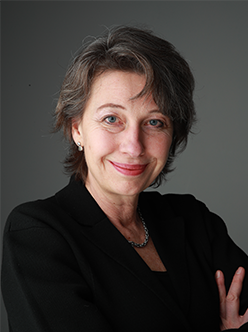
Silvija Seres
Silvija Seres is a mathematician and AI investor. She has a background in algorithm research at Oxford, contributed to the development of the Alta Vista search engine in Silicon Valley, held strategic management roles at Fast Search and Transfer, and contributed to service development at Microsoft. Currently, she serves as a board member in several prominent companies, including Ruter, Pexip, and Det Norske Veritas. Additionally, she is an active investor in multiple technology firms.
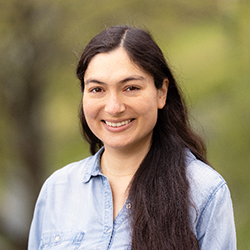
Kam Sripada
Kam Sripada PhD is a neuroscientist at NTNU and Centre Manager of Digital Life Norway. Her work together with international partners aims to protect children from environmental risks, promote healthy brain development, and reduce global health inequalities. As a Research Fellow at UNICEF, she spearheaded the creation of the Healthy Environments for Healthy Children global programme framework.
Kam’s research has been featured on NRK, TV2, Morgenbladet, Adresseavisa, and other Norwegian media. She collaborated with UNICEF on The Toxic Truth 2020 report, on childhood lead poisoning, which was featured widely in international media, including in The New York Times, Al Jazeera, BBC, and many others. She communicates environmental health research for families with the Little Things Matter team (@littlethingsmtr, LittleThings.org). Kam received NTNU's 2023 Prize for Research Communication.
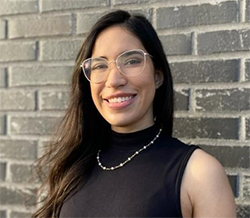
Viviam Bermúdez
Viviam Bermúdez is pursuing a Ph.D. in computational cancer biology at the Faculty of Medicine and Health Sciences, NTNU. Her research goal is to create a precision medicine tool that can serve as a guide for cancer research and assist oncologists in optimizing treatment strategies.
This summer, through a DLN Impact call project titled SPARK (Sharing Perspectives And Reinforcing Knowledge) she has created a card game based on PlayDecide, aiming to engage the public, the academic community, the clinic and industry in a precision medicine debate.
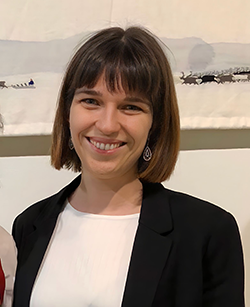
Jasmine Nahrgang
Jasmine Nahrgang is a professor of Arctic marine ecotoxicology at UiT The Arctic University of Norway, with extensive experience mentoring researchers. Since 2011, she has supervised 4 PhD students and over 20 MSc candidates, providing hands-on guidance and fostering interdisciplinary collaboration. As a young female professor, she has established herself as a leader in arctic marine petroleum ecotoxicology, building comprehensive expertise on Arctic fish species and their vulnerable life stages.
Nahrgang’s research centers on the toxicological impacts of petroleum activities on key Arctic species. Recently, her work has expanded to explore petroleum's effects across fish life stages, with a focus on transgenerational impacts. She collaborates widely on national and international projects, applying advanced techniques such as in vitro tissue cultures, omics, and autoradiography. Through her collaborative approach, Nahrgang creates an environment where her mentees engage with cutting-edge methods and benefit from a broad network of interdisciplinary and global research partnerships.
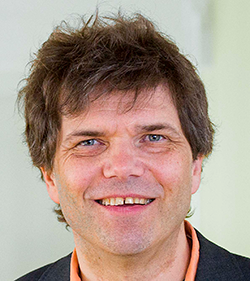
Gaute Einevoll
Gaute Einevoll is a professor of physics at the Norwegian University of Life Sciences and the University of Oslo working on brain physics, in particular, physics-type modelling of nerve cells, networks of nerve cells, brain tissue and brain signals. He has produced the Theoretical Neuroscience Podcast (theoreticalneuroscience.no) since October 2023.
He is a co-author of two textbooks:
• Halnes, Ness, Næss, Hagen, Pettersen Einevoll: "Electric Brain Signals", Cambridge Univ. Press, 2024
• Sterratt, Graham, Gillies, Einevoll, Willshaw: "Principles of computational modeling in neuroscience" (2nd ed), Cambridge Univ. Press 2023.
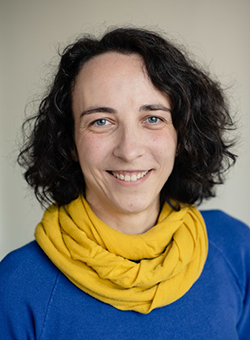
Simona Kavaliauskiene
Simona Kavaliauskiene is a postdoctoral researcher at the Section of Experimental Biomedicine, Faculty of Veterinary Medicine, NMBU (Ås). She contributes to the EU-funded CHIASMA consortium, which focuses on developing and integrating new approach methodologies for evaluating the human and environmental safety of chemicals and materials. Simona holds a PhD in molecular biology from the University of Oslo and has completed two postdoctoral fellowships at the Institute for Cancer Research (OUS) and the Institute of Experimental Medical Research (UiO). Her research interests include lipid metabolism and cancer signaling, cardiovascular health in farmed salmon, and, more recently, neuroendocrine regulation and toxicology, with a focus on developing innovative applied technologies. Additionally, she has served as a board member of the Tekna union at the University of Oslo and as a member of the Digital Life Norway Junior Resource Group, where she contributed to the career development of early-career researchers in academia.
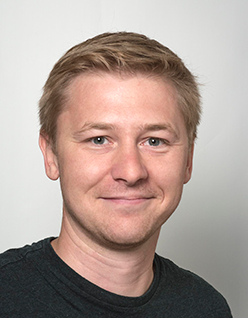
Arsenii Zabirnyk
Arsenii Zabirnyk is a researcher at Oslo University Hospital and University of Oslo. His research is focused in the cardiovascular field with the investigation of basic mechanisms of aortic valve stenosis and calcification. He is also leading the innovative project aiming to develop first pharmacological therapy against aortic valve stenosis.
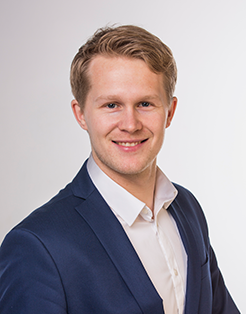
Henrik Herrebrøden
Henrik Herrebrøden is a psychologist, author, and researcher interested in learning and performance. He currently works as an Associate Professor of psychology at Kristiania University College in Oslo. Over the last ten years, Henrik has both received and provided supervision and gained insight into what characterizes good and bad supervision in academia. (Photo by Ingar Næss, StudioF2)