
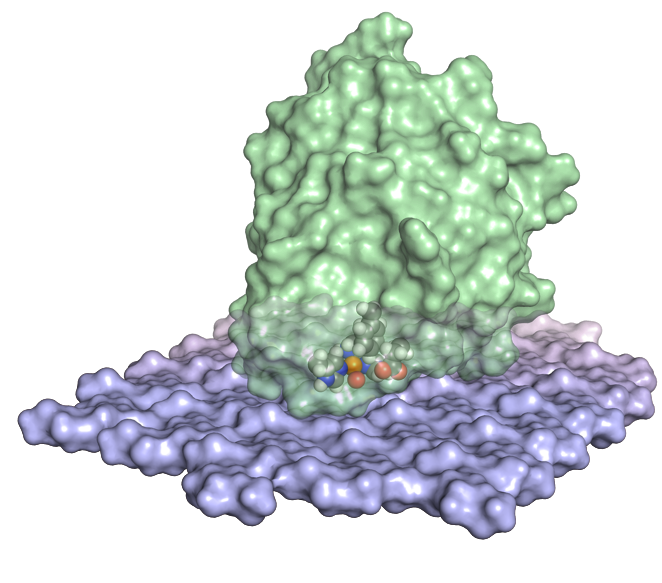
In parallel there have been revolutionary developments in enzymatic degradation of plastics like PET, which, most interestingly, have shown that, just like in cellulose processing, substrate crystallinity is limiting the rate of enzymatic degradation. LPMOs can help to solve this issue.
Thus, LPMOs, and the results from OxyMod, are important for NMBU’s sustainability arena SmartPlast, which, among other things, addresses enzymatic tools for plastic recycling, and for Enzyclic, a newly funded cross-disciplinary NFR project that targets the plastic problem by simultaneously evolving plastics (done by Norner) and enzymes to recycle these. And this may be only the beginning! With the knowledge now at hand, NMBU researchers believe that LPMOs may be evolved to do important novel things, from catalyzing difficult-to-control and industrially important alkane oxidations, as in the ERC-Synergy project Cube, to breaking down various plastics, killing resilient pathogenic bacteria, and/or degrading other recalcitrant materials such as keratin.
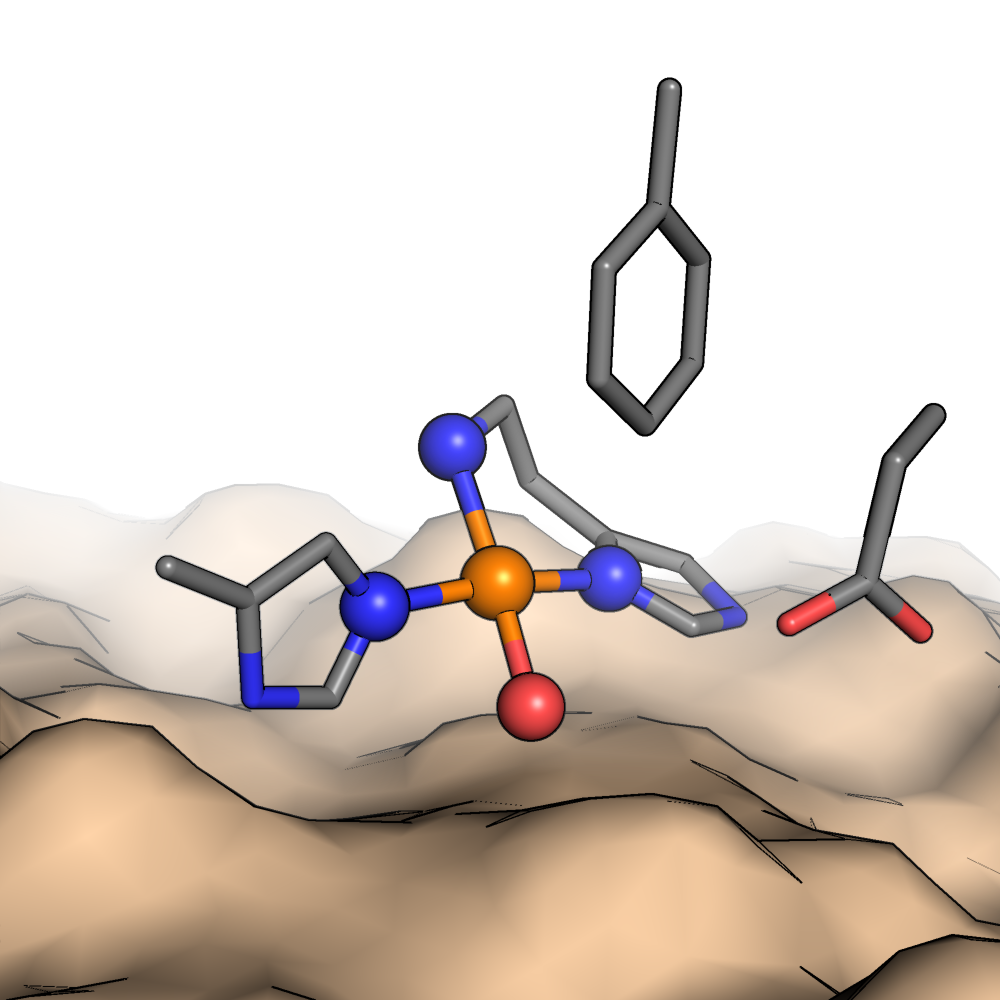
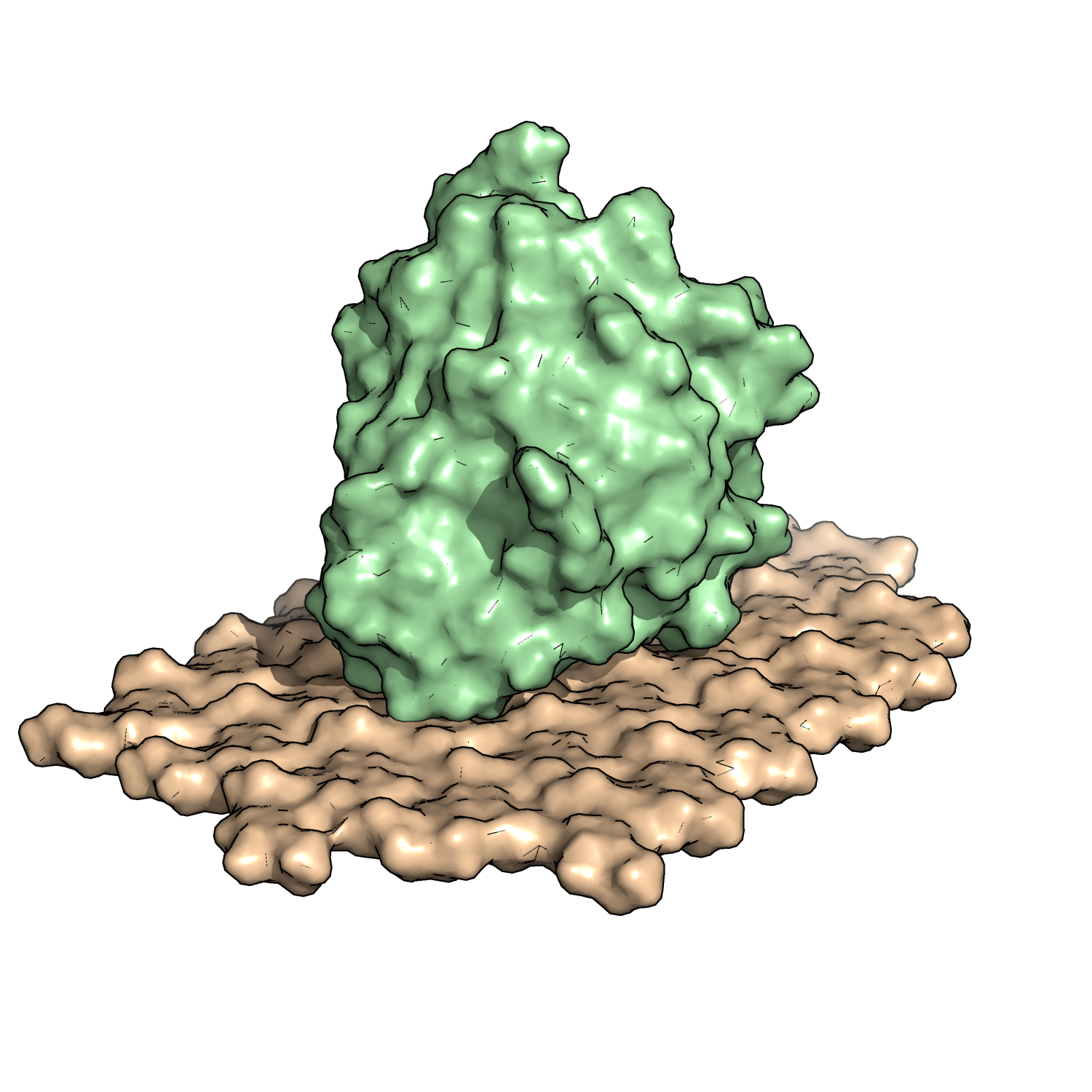
Read more about the OxyMod-project here.
For more information, please contact:
Professor Vincent Eijsink
Fakultet for kjemi, bioteknologi og matvitenskap
Phone: +4767232463
Email: vincent.eijsink@nmbu.no