

About the workshop
The discovery of penicillin in 1928 and streptomycin in 1943 initiated a revolution where previously life-threatening diseases caused by bacterial infections, such as tuberculosis and pneumonia became treatable. Bioprospecting of fungi and actinobacteria led to the discovery of many new classes of antibiotics during the following decades, also known as the "Golden Age of antibiotic discovery".
Nevertheless, despite the increasing spread of pathogens resistant to available antibiotics, only few new antibiotics have entered the clinics during the last decades. Traditional methods for drug discovery involving screening and activity assays of large strain collections have become inefficient with a 99.99% chance of rediscovery of existing compounds. However, there is still a huge biodiversity of microorganisms not readily cultivable in the lab, and only recently the research community has established new technology capable of accessing this unexplored microbial dark matter in search for the next generation of antibiotics.
Additionally, with an increasing number of big pharmaceutical companies closing down their antibacterial development programs there is no one to develop candidate compounds through clinical trials. This is because there is not enough profit in developing new antibiotics:
-
- Development is too slow and costly
- New antibiotic drugs may have low sales as they could be kept as last-resort options
- Duration of antibiotic treatment is short
- Risk of quick emergence of resistant pathogens
To what extent does the government ensure that new antibiotics for the future are being developed? Is there enough funding going into research on antibiotics? Can the government make antibiotics more profitable for Big Pharma or bridge the gap between the industry and academic research?
This workshops aims to shed light on both new developments and old challenges in the field of antibiotics discovery and developing them into efficient medicine in a world increasingly challenged by antibiotics resistance. It starts off with talks from Prof. Andriy Luzhetskyy (Univ. of Saarbrücken, Germany), Prof. Marnix Medema (Univ. of Wageningen, Netherlands) and Dr. David Mead (Varigen Biosciences Corp., USA), three international experts within their respective field of research who will tell us about their innovative approaches in discovering new antibiotics. Dr. Bert Klebl will then talk about his efforts at the Lead Discovery Centre in Dortmund, Germany, to bridge the gap between academia and industry. In the afternoon we will focus on important societal aspects of antibiotics use and needs with speakers from The Norwegian Biotechnology Advisory Board, The Norwegian Cancer Society, Ung Kreft, The Norwegian Institute of Public Health and The Association of the Pharmaceutical Industry in Norway.
The workshop will take place at Scandic Lerkendal in Trondheim from 9:00 to 16:00, and is free of charge for the participants.
Invited speakers
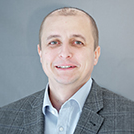 Prof. Andriy Luzhetskyy
Head of the junior research group at the Helmholtz Institute for Pharmaceutical Research Saarland and Professor for Pharmaceutical biotechnology at Saarland University.
Andriyy Luzhetskyy works on production of novel compounds through introduction synthetic pathways in actinomycetes, and will have a talk with the title: Biosynthetic potential of actinomycetes: bridging in silico and in vivo
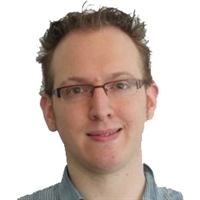 Prof. Marnix Medema
Assistant professor at the Bioinformatics group at Wageningen University and Research.
Marnix Medema is one of the main contributors to antiSMASH and MiBiG, and will talk about computational genomic approaches to antibiotic discovery.
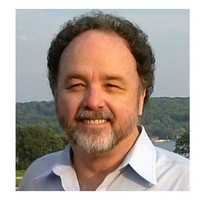
Dr. David Mead
CEO and Co-founder of Varigen Biosciences.
Varigen Biosciences explore our planets biodiversity through new molecular tools, and David Mead will talk about Meta/genomic and Synthetic Biology Approaches for Natural Product Discovery.

Dr. Bert Klebl
Managing Director and Chief Scientific Officer at the Lead Discovery Center in Dortmund.Bert Klebl will talk about how they bridge the gap between basic findings and commercially viable and medically valuable products at the Lead Discovery Center.

Prof. Bjørn Kåre Myskja
Professor in ethics and political philosophy at NTNU and Vice Head for The Norwegian Biotechnology Advisory Board.Bjørn Myskja will talk about the global perspective and ethical concerns related to the use and production of antibiotics.
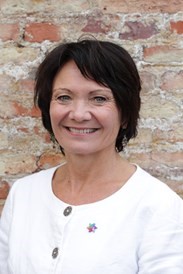 Kirsten Haugland
Head of Department for Cancer Care, Research and Prevention at the Norwegian Cancer Society and a board member of Oslo Cancer Cluster.
Kirsten Haugland has led the Norwegian Cancer Society's activities and political involvement in the importance of effective antibiotics for cancer patients and will have a talk with the title Cancer patients need effective antibiotics today and in the future. Cancer leads to action, and what difference can we do?
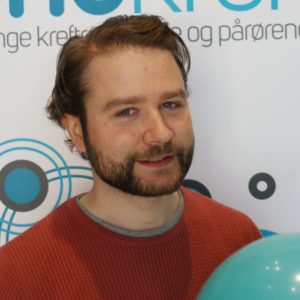 Helge Øvreness
Deputy in the executive board of Ung Kreft.
Helge Øvreness will talk about his experience with antibiotic treatments and the importance of antibiotics in the treatment of cancer.
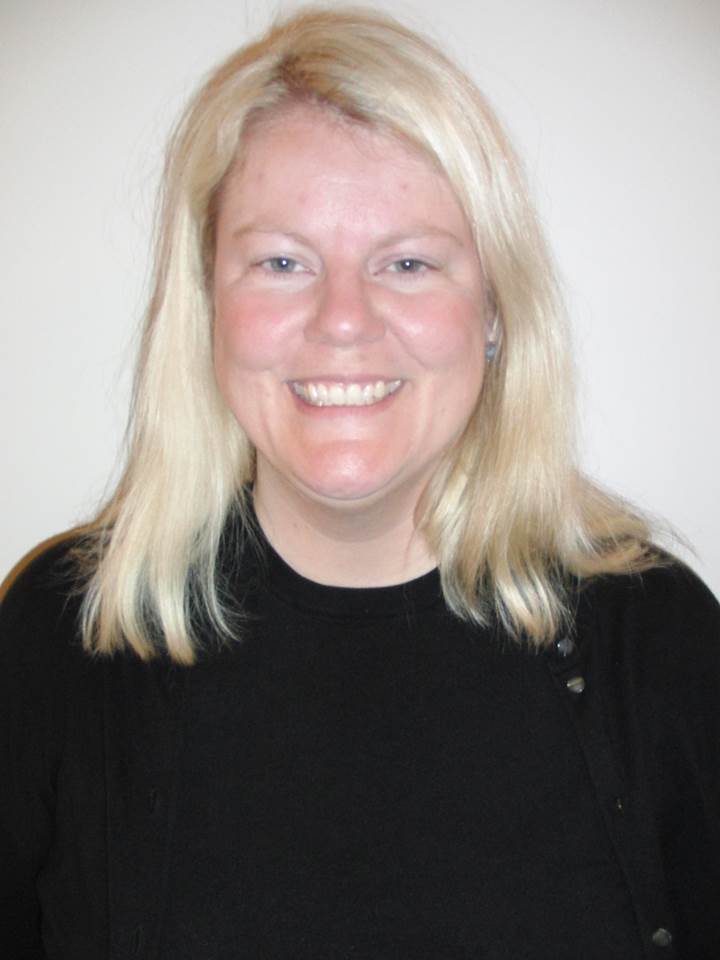 Dr. Christine Årdal
Senior Advisor at the Norwegian Institute of Public Health in the Department of Antibiotic resistance and infection prevention.
Christine Årdal has co-lead of the R&D workpackage in EU-JAMRAI (Joint Action on Antimicrobial Resistance and Healthcare-Aassociated Infections), and will talk about suggested incentives to increase antibiotic discovery and development in a Europe.
 Inge Johansen
Senior Advisor at the Association of the Pharmaceutical Industry in Norway (LMI).
Inge Johansen is the advisor on antibiotic development and discovery at LMI and will have a talk with the title Challenges and opportunities for antibiotics in the pharmaceutical industry
Program
| 09:00 - 09:20 | Welcome |
| 09:20 - 10:00 | Dr. David Mead |
| 10:00 - 10:40 | Prof. Andriy Luzhetskyy |
| Coffee | |
| 10:50 - 11:30 | Prof. Marnix Medema |
| Lunch | |
| 12:30 - 13:10 | Dr. Bert Klebl |
| 13:10 - 13:50 | Prof. Bjørn Myskja |
| Coffee | |
| 14:00 - 14:15 | Kirsten Haugland |
| 14:15 - 14:30 | Helge Øvreness |
| 14:30 - 14:50 | Dr. Christine Årdal |
| 14:50 - 15:10 | Inge Johansen |
| 15:10 - 15:50 | Panel debate, moderated by Raffael Himmelsbach |
| 15:50 - 16:00 | Closing remarks |
Registration
Registration is available here.
Members of the Digital Life Norway Research School can apply for a travel grant, read more here.

