

As AFINO approaches its conclusion in December 2024, it hosted an international conference from August 28th to 30th at the picturesque Soria Moria Hotel in Oslo. The event gathered scholars specializing in RRI and CSR, with participants from diverse national backgrounds. A significant theme of the conference was the impact of AI on society, reflecting its prominence in the realm of disruptive technologies.
About AFINO
AFINO is a network and learning hub established in 2019 with funding from the Research Council of Norway (RCN). Its mission is to advance Responsible Research and Innovation (RRI) and Corporate Social Responsibility (CSR) within Norway's research and innovation sectors. AFINO achieves this by fostering skills and developing methodologies that promote innovation in a responsible, sustainable, and equitable way.
How was this relevant to DLN?
The conference brought together experts, some of whom have been working in the fields of RRI and CSR since before these concepts were officially endorsed by the European Commission and the Research Council of Norway. Part of the event was dedicated to exploring biotechnologies for a better life, with presentations from food researcher Sissel Rønning of NOFIMA and the DLN member project ARRIVAL, highlighting the importance of studying future foods and the potential of emerging sustainable food technologies. Discussions also addressed responsible AI, focusing on how AI governance can be implemented within European member states. A recurring theme throughout the three days was reflecting on what initially led participants to RRI, and, with the shift in European Commission policy away from RRI, the increasingly pressing question: what comes next? These topics are very relevant to DLN and its efforts to transform the Norwegian biotechnology landscape.
Brave new RRI: Challenges for early career researchers
In collaboration with Giovanni de Grandis and Anne Blanchard from AFINO, DLN RRI senior advisor Anamika Chatterjee organised a track to create a space for early career researchers to share their successes and failures in efforts to ‘do RRI’.
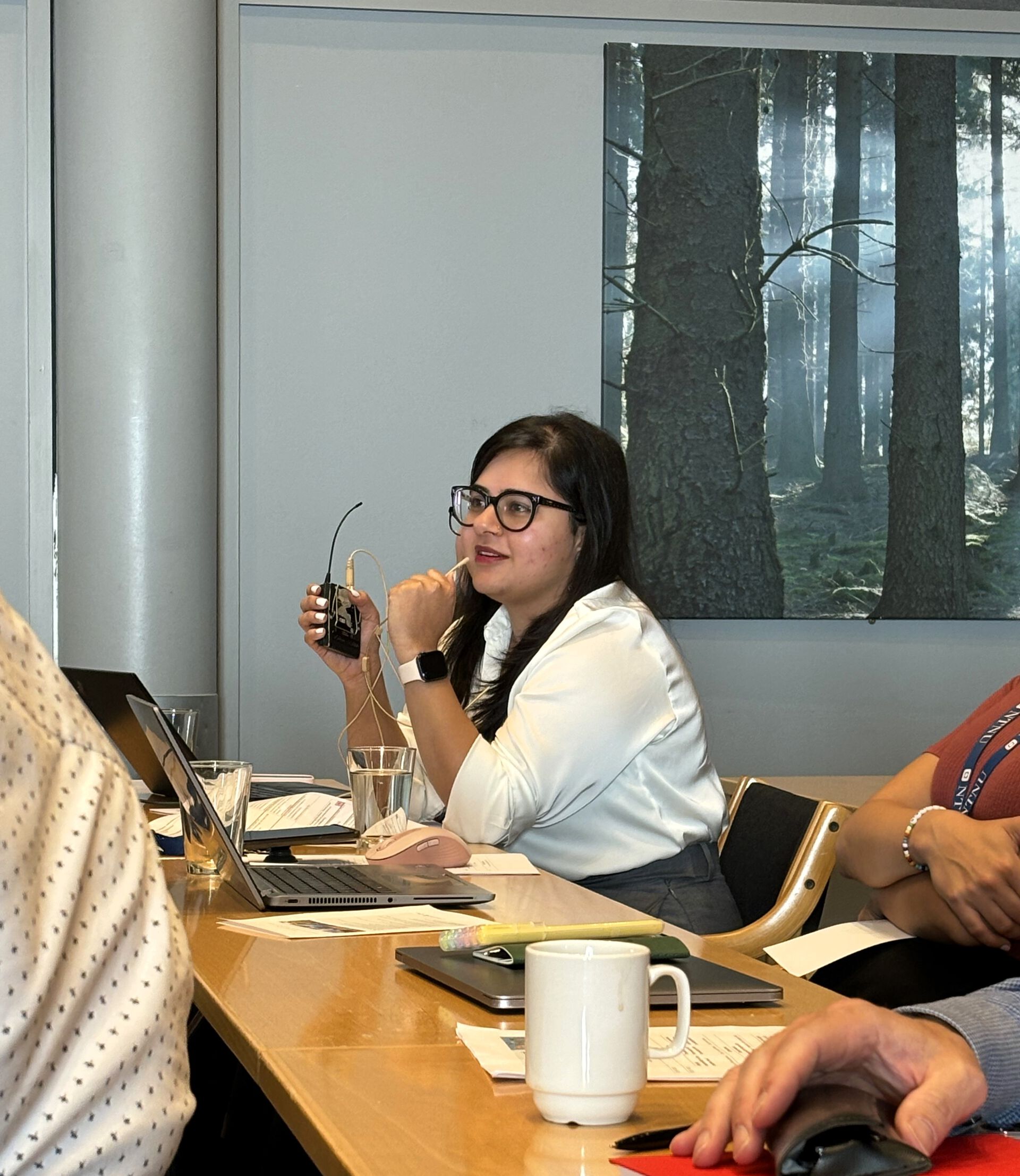
RRI has been a key policy instrument for the RCN, featured in various funding initiatives such as Biotek2021, SAMANSVAR, IKTPluss, and more recently, the Teknokonvergens call.
Projects supported by these initiatives have often engaged early-career researchers—such as PhDs and postdocs—to explore how RRI concepts take shape within the project context. As active participants in these projects, these researchers feel the weight of responsibility to address critical questions such as: What does 'responsibility' mean in this project? Who is responsible, and for what? This conference track provided a platform for these early-career researchers to openly discuss both the value and the pressures associated with bearing this responsibility.
The track was structured into two 75-minute sessions. The first session centered on extracting insights and lessons on RRI from the areas of policy, education, and training.

Olga Mikhailova from NMBU, representing the DLN member project Ecogene and part of the DLN Junior resource group, presented her work on creating a comprehensive overview of current research and debates surrounding Responsible Research and Innovation (RRI) in biotechnology and genetically modified organisms (GMOs). Tony Burner and Anna Synnøve Hovstein from the South-Eastern University of Norway and NTNU discussed their initiatives to establish NATPRONET, a national network for the training and education of industrial PhD candidates. While Emily Buddle and Rachel Ankeny from the University of Adelaide shared their approach to fostering reflection among scientists working in crop science.
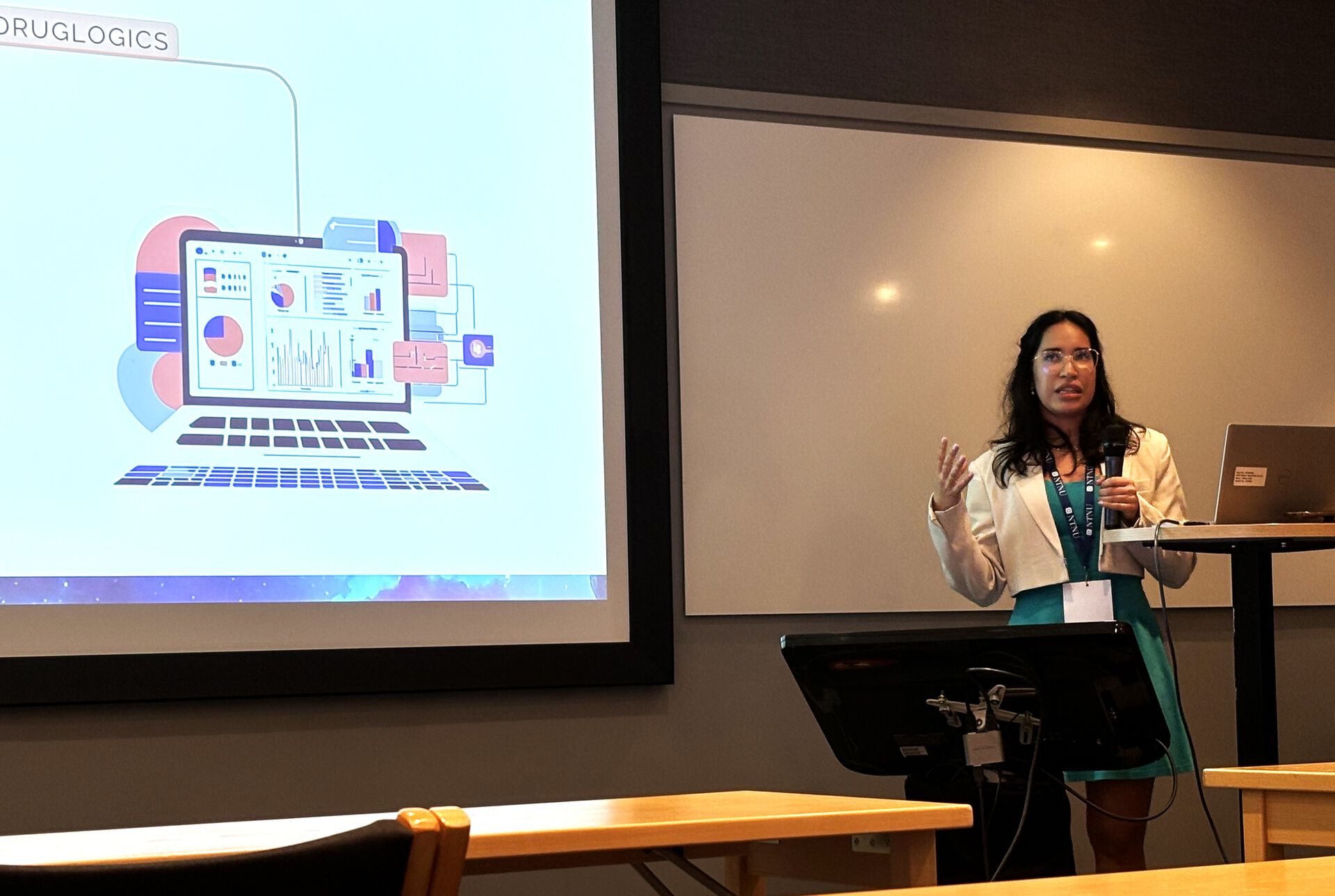
The second session focused specifically on biotechnology. Hedda Smedheim Bjerklund from the Arctic University of Norway in Tromsø presented her use of the Ethics in Research card game as an RRI tool among researchers in gene technology and advanced microscopy. She emphasized how power imbalances between early-career and established researchers can emerge when using such a tool to prompt collective reflection within research teams. Viviam Bermudez, a computational biologist from NTNU and part of the DLN member project DrugLogics, also presented her plans to develop the card game PlayDecide, which explores the social and ethical aspects of AI in precision medicine. Viviam is one of thes winners of the 2023 DLN Impact funding call which is an initiative to support researchers curious about the societal context within which their work is embedded. Viviam is using these funds to explore how AI-mediated precision medicine could transform current healthcare practices. Lastly, Christana Wenzl from the University of Adelaide, Australia, shared preliminary insights from interviews with Australian citizens on their perspectives on sustainable dietary lifestyles. Her talk highlighted the value conflicts that arise when alternative food technologies lead to differing interpretations of "sustainability" and change.
Explore further
If you are interested in the theme of this track and have something to contribute, sign up for the AFINO/ARINA autumn school (2ECTS) from 7th to 10th of October 2024 at Hardangerakademiet, Jondal
The school will have an impressive line-up of the who’s who in RRI in Norway sharing their views and Anamika from DLN will be holding a session on the plights of early career researchers in RRI.