
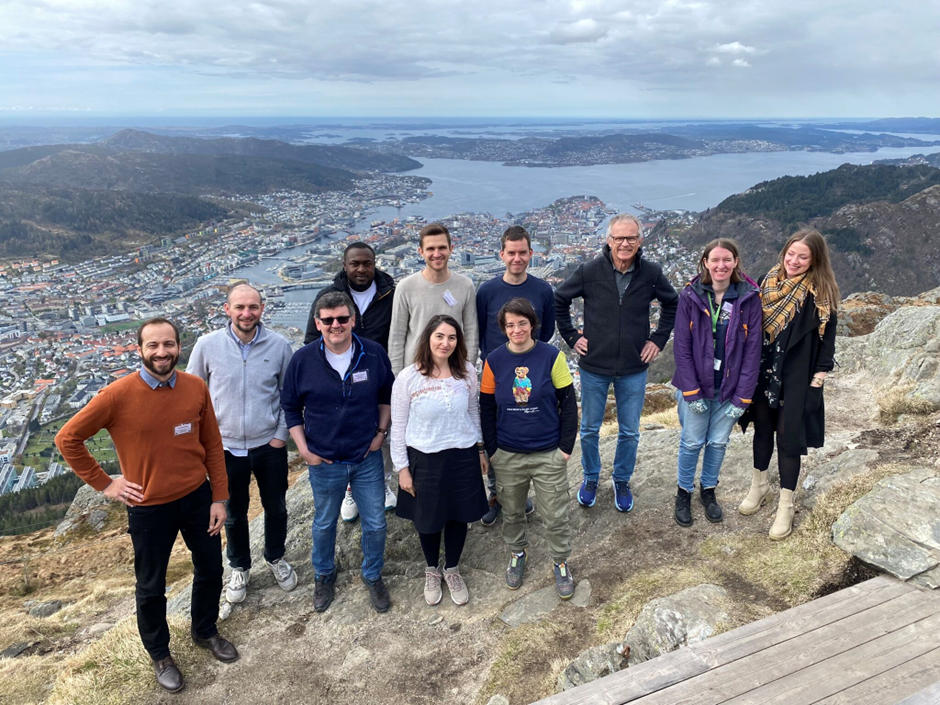
Calum Leitch (CCBIO project) and Sofie Søderstrøm (Marma-detox project) together organized and hosted a collaborative workshop titled: "Overcoming challenges in iPSC research" on April 25th, 2024.
What does iPSC mean?
iPSCs are induced pluripotent stem cells. They are pluripotent stem cells generated from adult cells by reprogramming. They have the same properties as embryonic stem cells, and therefore self-renew and can differentiate into other cell types of the body.
Source: Nature.com
The workshop aimed to foster knowledge exchange and collaboration between the two DLN projects. The workshop explored topics such as:
- iPSC Induction Methodologies: Discussions highlighted various methods for inducing pluripotency, such as viral and non-viral approaches, and addressed challenges like genetic instability and efficiency.
- iPSC Culturing and Maintenance: Topics covered optimal culture conditions, including 3D culture systems, feeder vs. feeder-free approaches, and techniques for passaging iPSCs while preserving their viability and pluripotency.
- Dedifferentiation and Reprogramming: The workshop explored mechanisms for dedifferentiating somatic cells, emphasizing the role of transcription factors, epigenetic modifications, and small molecules in improving reprogramming efficiency.
- Characterization of Pluripotency: Discussions included methods for detecting stemness markers, assessing loss of pluripotency through differentiation markers, and validating pluripotency using in vitro differentiation assays.
The event also featured open discussions on these themes, allowing participants to dive deeper into the practical challenges and advances in iPSC research.
.png)
The CCBIO project is advancing peripheral blood cell-derived iPSCs for human immunotherapy, while the Marma-detox project focuses on fibroblast-derived iPSCs to create an in vitro cell model for studying marine mammal toxicology. Given that both projects are in the early stages of research and method establishment, this event provided an invaluable opportunity to standardize protocols, troubleshoot challenges, and build interdisciplinary networks. The workshop’s hands-on format was particularly beneficial, as it allowed researchers to share insights and refine methods that are often difficult to convey through written documentation.
.png)
Thanks to the support from The Centre for Digital Life Norway (DLN) through their cross-disciplinary grant, a brilliant group of 12 researchers could be gathered at the top of Mount Ulriken for an inspiring day with excellent food, views, and great iPSC discussion. Special appreciation goes to the PI of the Marma-Detox project, Anders Goksøyr, for his support during the proposal writing and workshop preparations, and to all the attendees who contributed to the day's success.
Calum Leitch
Faculty of Medicine
Department of Clinical Science UiB
Researcher in the CCBIO project
Sofie Søderstrøm
Faculty of Science and Technology
Department of Biological Sciences (BIO)
Environmental Toxicology
Postdoc in the Marma-detox project