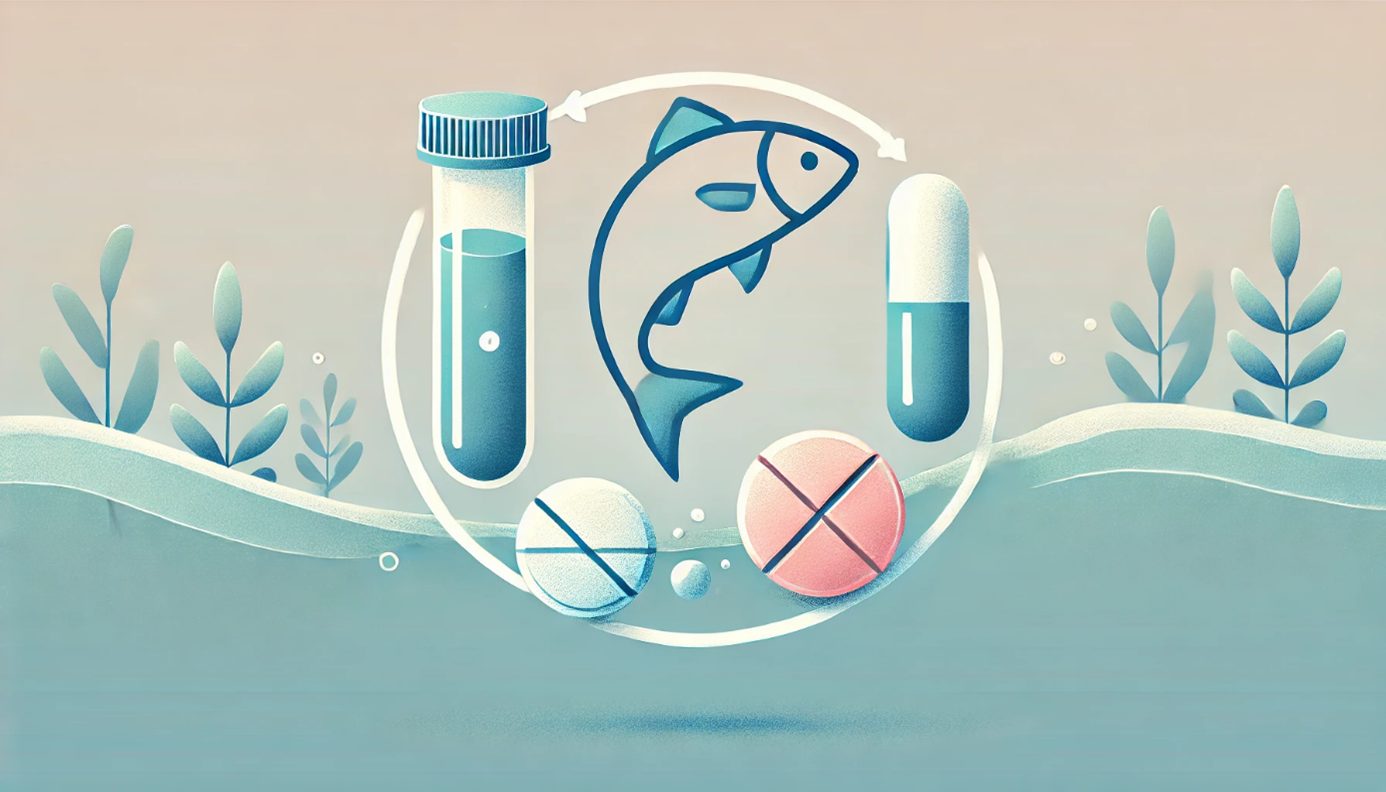
As we dove deeper into the realities of Arctic fish farming, we quickly stumbled upon a significant problem: the vast amounts of waste generated by fish farms. Much of this waste is discarded, often without being utilized. That’s when it hit us—we could turn this waste into something meaningful. After reaching out to marine farming and seafood industry leaders, including major players like Lerøy, we discovered an exciting opportunity: transforming fish farming waste into a sustainable, high-value product.
‘Farm-a-sea’ – Turning Fish Farming Residue into Valuable Products for the Pharmaceutical Industry
Komal Agarwal is a researcher in ultrasound, microwaves and optics in the Department of Physics and Technology at the UiT- The Arctic University of Norway. Her activity for the DLN Impact call was originally called “Farm-a-see” – exploring the possibilities of improving arctic farming by seeing acoustic images generated by real-time monitoring. While the initial focus on ultrasound technology for fish farming didn’t progress as anticipated, the project took a promising new direction. Today, the project has evolved into Farm-a-sea and is focused on the innovative use of fish farming residue—waste generated from sea farming and the seafood industry—to create high-value products for pharmaceutical applications. This project aims to contribute to environmental sustainability by reducing waste, promoting a circular economy, and transforming residues into valuable, usable products, contributing indirectly to better health by making products for pharma applications.How can fish farmers manage waste sustainably?
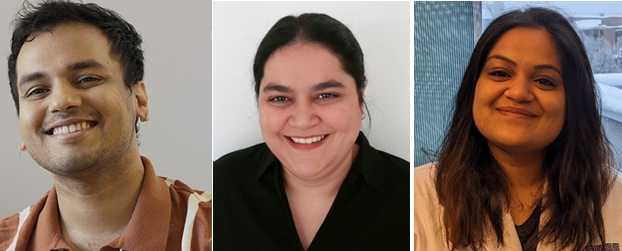
This revelation led to the creation of a new innovative solution to create a high value product from fish waste that can help better drug discovery and we filed an invention disclosure in September 2024, with Biswajoy Ghosh, Krishna Agarwal, and I as the inventors.
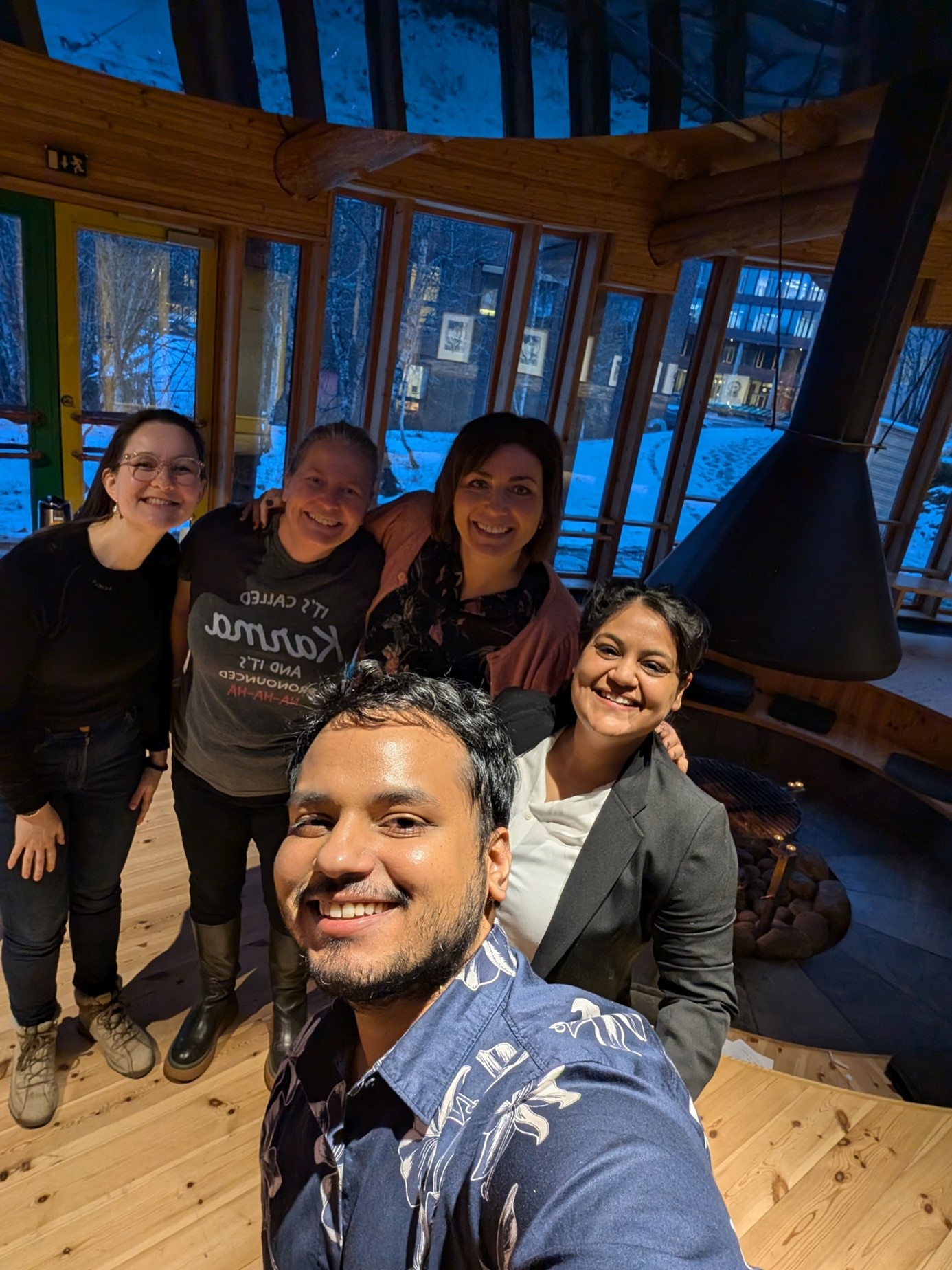
But we didn’t stop there. To take our breakthrough even further, we organized a dynamic panel discussion on November 15th, 2024, inviting Arctic seafood companies, BioTech North cluster, local businesses, and tech transfer officers from Norinnova AS. This event sparked insightful discussions on how our solution could help fish farmers manage waste sustainably and unlock new distribution channels with the help of trusted partners.
A step toward solving global environmental challenges
We’ve now identified key opportunities within the ecosystem, such as utilizing fish waste for applications in the health sector, while also tackling challenges like expanding our network and building groundwork for widespread implementation. Our ultimate goal is to complement the existing Norwegian seafood industry, contribute to a circular economy, and make a global impact.
Looking ahead, we’re planning a series of meetings with potential collaborators to explore market interest and forge partnerships. Our vision is clear: Our innovation isn’t just a solution for local fish farmers—it’s a step toward solving global environmental challenges and contribute to circular economy while creating lasting value in the health sector.
We thank Center for Digital Life Norway (DLN) for their support and encouragement through the Impact call grant that we received in February 2024.
Stay tuned for more updates as we continue to develop our innovation and its potential to revolutionize the way we think about sustainability and the world around us:
Biswajoy Ghosh receives MABIT-funding
Inventors