
NordiCoats

NordiCoats
New biobased epoxy compounds for high-performance applications
Highlights 2024
NordiCoats is a collaborative initiative focused on developing bio-based epoxy alternatives for high-performance applications such as marine coatings and industrial adhesives, thereby reducing reliance on fossil-derived bisphenol A (BPA).
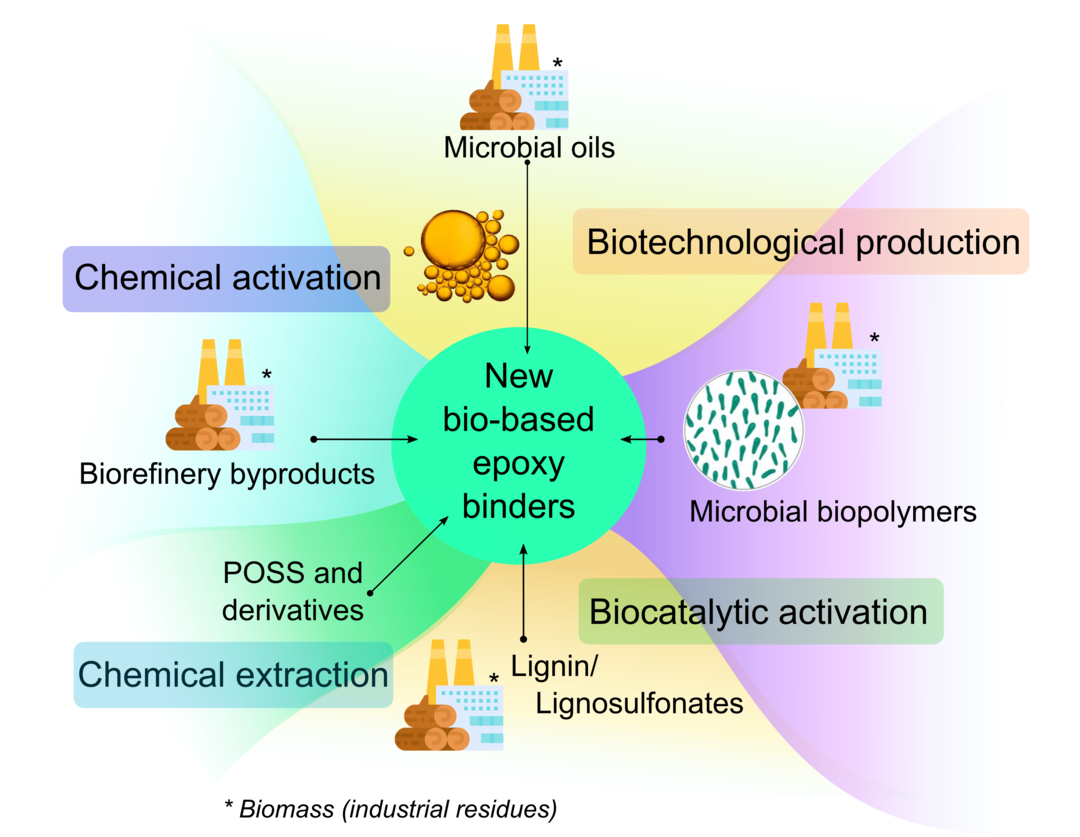
In 2024, the project achieved progress across multiple work packages, demonstrating the viability of greener epoxy solutions. Under WP1, researchers at NMBU optimized microbial oil and polymer production, achieving lipid yields of up to 50% dry cell weight in yeasts and scaling fermentations to 3L bioreactors. They also tested industrial side-streams like Arbaflame’s residual biomass, enhancing feedstock utilization and reducing production costs. Meanwhile, SINTEF BTN successfully produced bacterial alginate using glycerol rest, although lignocellulose hydrolysates required process adjustments.
WP2, led by RISE PFI, focused on lignin-based epoxy resins, producing reactive low molecular weight lignin via an organosolv process and epoxidizing it with epichlorohydrin. Exploratory work with furfural and hydroxymethylfurfural led to epoxy intermediates, broadening the platform of bio-based building blocks.
In WP3, SINTEF PT epoxidized vegetable oils with an 80% yield and found that branched amines facilitated stronger cross-linked networks than linear variants. Polyhedral Oligomeric Silsesquioxane (POSS) integration yielded enhanced hydrophobicity and mechanical properties in bio-based resin formulations.
WP4 highlighted scaling efforts at Jotun, where 1 kg batches of bio-based epoxies are being prepared for full-scale testing. Preliminary results revealed promising mechanical strength and environmental resistance, meeting industrial standards.
WP5’s life cycle and techno-economic assessments showed that bio-based epoxies could significantly lower carbon footprints and compete with fossil-based materials in cost.
Finally, WP6 emphasized dissemination and exploitation strategies, including plans for conference presentations and stakeholder engagement.
Overall, 2024 has seen critical breakthroughs in sustainable feedstock utilization, chemical modification, and industrial-scale testing, placing the NordiCoats project on track to deliver commercially viable, eco-friendly epoxy binders. In parallel, in-person and online meetings fostered knowledge exchange, keeping progress on track for Q4 2024 milestones.
Project overview
Project coordination team: Francesca Di Bartolomeo, Alexander Wentzel and Susan Maleki
Institution: SINTEF Industry
Partners: SINTEF Community, SINTEF Ocean. NMBU, RISE PFI, Arbaflame AS, AlgiPharma AS, Bioenvision, Jotun AS
Funding: NOK 15 mill.
Duration: 2023-2026
About the project
The NordiCoats project is ambitiously aimed at developing new bio-based epoxy compounds for high-performance applications, with a focus on sustainability and environmental friendliness. Its scope encompasses biotechnological and chemo-synthetic approaches to create safer, potentially recyclable epoxy solutions that significantly reduce reliance on fossil resources, particularly bisphenol A (BPA), known for its health and environmental risks.
Aiming to contribute to the green transition
The project's objectives are to innovate in the field of industrial biotechnology, creating new knowledge, methodologies, and competences that contribute to the green transition in the chemical and materials sector, while promoting the development of more sustainable industrial products with a lower environmental footprint. Through collaborative efforts among research organizations and commercial partners, NordiCoats aims to address societal needs for mitigating climate change and reducing environmental pollution, aligning with the principles of a circular economy.
This is a Knowledge-building Project for Industry supported by the Research Council of Norway.