ToxiGen

ToxiGen
Reproductive toxicity and transgenerational effects of petroleum mixtures in fish
Highlights 2024
In 2024, our research explored the long-term and reproductive effects of crude oil exposure in Arctic fish, focusing on Atlantic cod
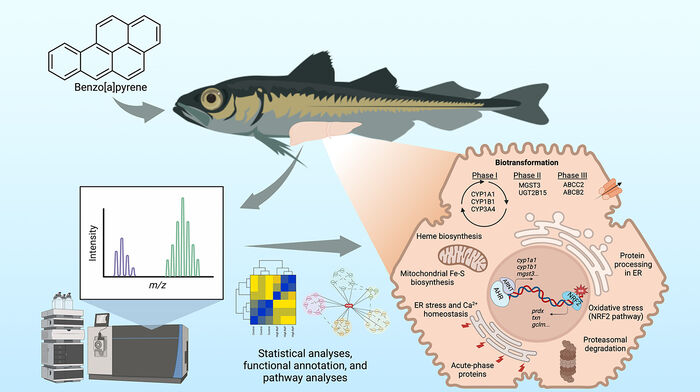
(Gadus morhua) and polar cod (Boreogadus saida). We investigated physiological, molecular, and multigenerational effects of petroleum contamination in reproducing adults. Exposure of adults to crude oil accelerated spawning, with cod producing smaller eggs and males exhibiting reduced sperm motility. Ongoing omics analyses in different tissues and life stages of our experimental fish aid us in understanding the direct impact of crude oil to fish reproduction and consequences for further generations. Utilizing precision-cut liver slices in cod, we found that the resin fraction, a complex mixture of polar compounds, activated detoxification pathways and likely contributed to the overall toxicity of crude oil. These findings reveal the toxicity of lesser-studied oil fractions, and emphasize the need to consider chronic and multigenerational effects in environmental risk assessments.
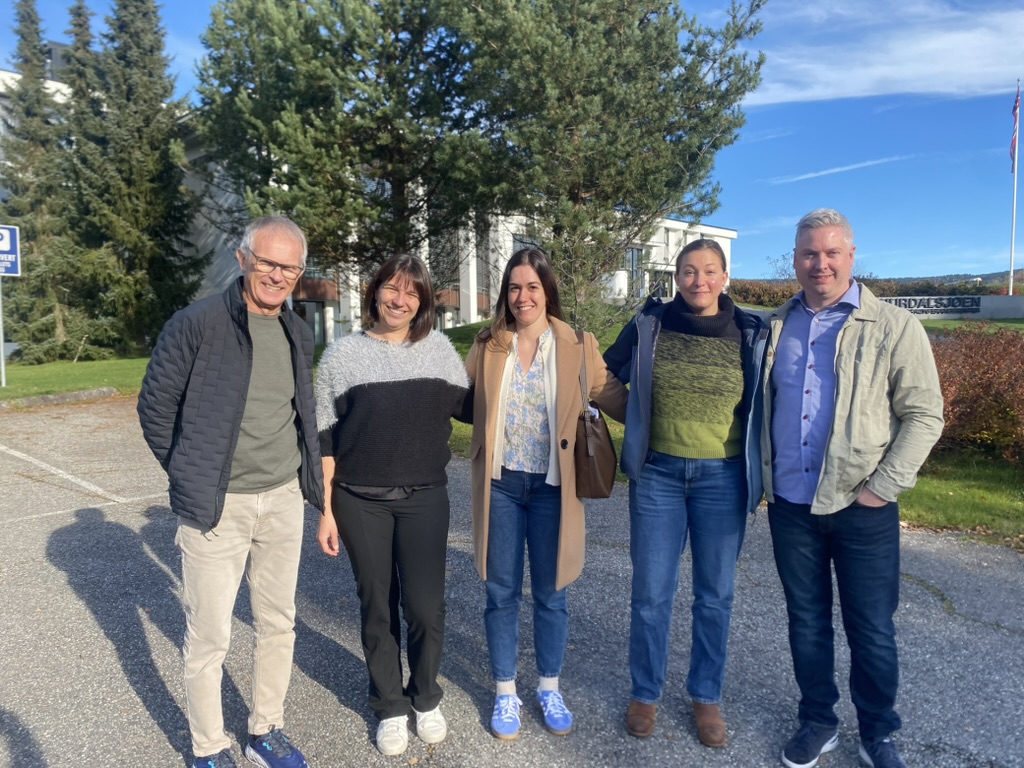
One highlight of 2024 has been the social and collaborative aspects of our work. Engaging with colleagues at conferences and meetings, particularly the DLN 2024 at Hurdalsjøen, provided valuable opportunities to discuss research, strengthen collaborations, and gain new perspectives.
For us, the added value of being a part of a transdisciplinary center is the chance to connect with scientists and students from related fields and benefit from expertise in areas such as data management. These interactions enrich our research and reinforce the importance of cross-disciplinary collaboration in addressing complex environmental challenges.
Project overview
Project leads: Jasmine Nahrgang and Anders Goksøyr
Coordinating institution: UiT Norges arktiske universitet
Partners:
University of Bergen (UiB)
SINTEF Ocean
University of Nordland (NORD)
Akvaplan-niva
Institute of Environmental Assessment and Water Research (IDAEA), Spain
Helmholtz Centre for Environ. Research (UFZ), Germany
Funding: 12 MNOK from The Research Council of Norway, additional sources of funding: Framsenteret and Arcex
Duration: 09.2023 – 12.2027
Project website: en.uit.no/project/toxigen
Publications
Research group
-
Sebastian Canzler, Dr
Helmholtz Centre for Environmental Research (UFZ), Germany
-
Stefan Scholz, Dr
Helmholtz Centre for Environmental Research (UFZ), Germany











About this project
We often think of pollution as something that harms us here and now, right where it happens. But what if its impact stretched far beyond the present moment, affecting not just individuals but also future generations? This is the intriguing question at the heart of the interdisciplinary project ToxiGen.
Effects of spilled oil on current and future fish generations
While we know that fish embryos and young fish are highly sensitive to oil spills when they are directly exposed, we know far less about how adult fish are affected, especially during critical life phases like reproduction. It is not always the youngest and most sensitive members of a species that make the population most vulnerable; the health of adult fish during reproduction can have a profound impact on the entire population too.
So, why is it crucial to investigate how oil exposure affects reproducing adult fish and what this means for the generations that follow? The answer lies in our commitment to evaluating the accuracy of our current models for assessing the impact and risk of oil spills on fish populations.
Comprehensive approach to assessing oil spill impact and risk
ToxiGen is taking a comprehensive approach to this challenge. We are using advanced techniques in chemistry and molecular biology to uncover the secrets of how crude oil components impact the reproductive success of fish and the health and survival of their descendants.
Asking important questions to assess effects over multiple generations:
• Does exposure to oil disrupt the production of eggs and milt in adult fish?
• Can harmful substances be passed from parent fish to their offspring, causing harm to future generations?
• Does crude oil create effects that can be inherited and continue for many generations?
Understanding the health of fish through changes at the molecular level
Our ultimate goal is to connect the changes we observe at the molecular level to the compounds parent fish absorb. We also want to understand how these changes affect reproductive success, as well as the health and well-being of fish in the first, second, and even third generations.
Reporting to those who manage our natural resources
Once we have gathered all this valuable information, we will present it in an assessment report to those who manage our natural resources. We will determine whether our findings are of such concern that they require further investigation and even changes to our existing methods for assessing the risks and impacts of oil spills.
Outcome: the legacy of pollution on precious fish stocks in the Arctic
Join us on this journey of discovery, where science meets stewardship, as we uncover the secrets of pollution's legacy in the Arctic and work towards a more sustainable future for our precious fish stocks.
Latest news from the project
-
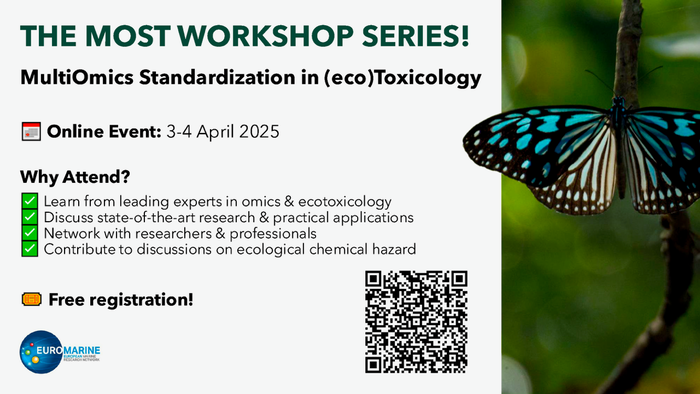
Upcoming EcoTox workshop Mar. 5, 2025 5:00 PM
-
Insights into how pollutants affect Arctic marine life Feb. 17, 2025 4:10 PM